


Protect your money and identity from fraudsters and scammers
Fraud is evolving. Criminals are getting smarter, more sophisticated, and more convincing. And anyone can be a target.
At FINCI, we’re committed to keeping your money safe, and work tirelessly to protect you and your business. But security is also a shared responsibility. The more you and your team know about fraud tactics, the harder it is for scammers to succeed.
This guide will help you spot the red flags, take action if you suspect fraud, and protect yourself from common scams.
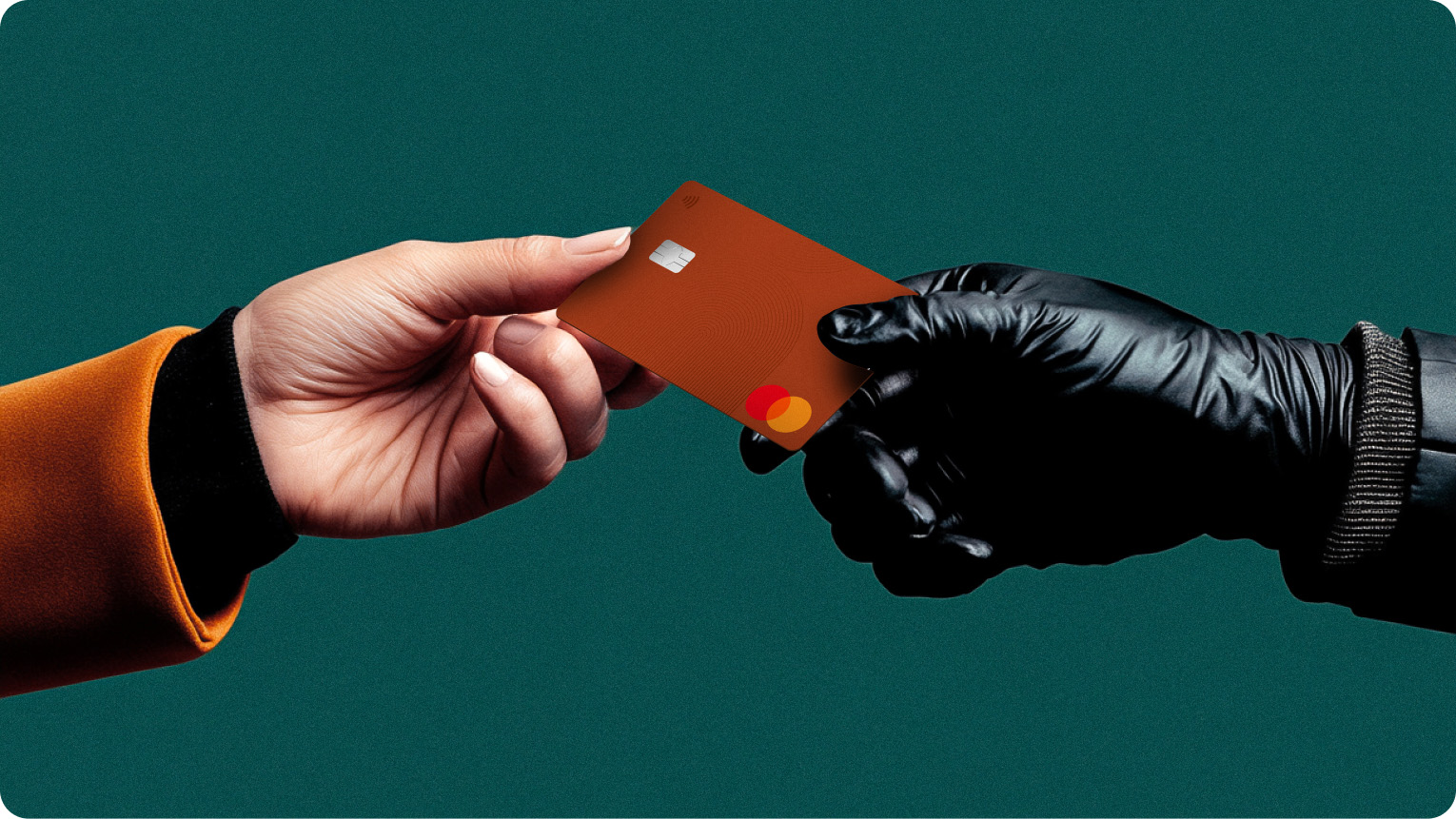
Fraud is an evolving threat
And many assume they would never fall for a scam. Yet fraudsters successfully target people across all demographics – professionals, retirees, and even tech-savvy individuals.
Modern fraudsters no longer just rely on clumsy, typo-filled phishing emails. By leveraging personal data from data breaches and social media, fraudsters can convincingly impersonate financial institutions, law enforcement, and even people you know.
So modern scams are not just the result of careless victims but also of increasingly sophisticated criminals. Some of the most intelligent, financially literate people have been tricked into transferring money, revealing passwords, or handing over sensitive data. Not because they were foolish, but because the deception was just that good.
Common scam tactics that can catch you off guard
Fraudsters don’t have one playbook, they have many. But most scams follow a pattern. Recognising these patterns is your first line of defence. Here are some of the most dangerous tactics criminals use:
1. The urgent request
If someone tells you an immediate action is required to prevent a financial loss, be skeptical. Scammers often impersonate banks, government agencies, or even tech support.
🚩 Red flag: Saying it’s urgent that you provide card details, security codes, or login details.
2. The authority trick
Scammers introduce themselves as a bank official, a police officer, or a fraud investigator. They sound knowledgeable. They may even have personal details about you (harvested from social media or data breaches) to make them seem credible.
🚩 Red flag: No legitimate authority will ever ask for passwords, security codes, or card details over the phone or email.
3. The too-good-to-be-true offer
From fake investment opportunities to counterfeit online marketplaces, scammers lure victims with promises of high returns or ultra-cheap deals. They make you believe you’re getting a special offer, or something exclusive.
🚩 Red flag: If the deal seems too good to be true, it almost certainly is.
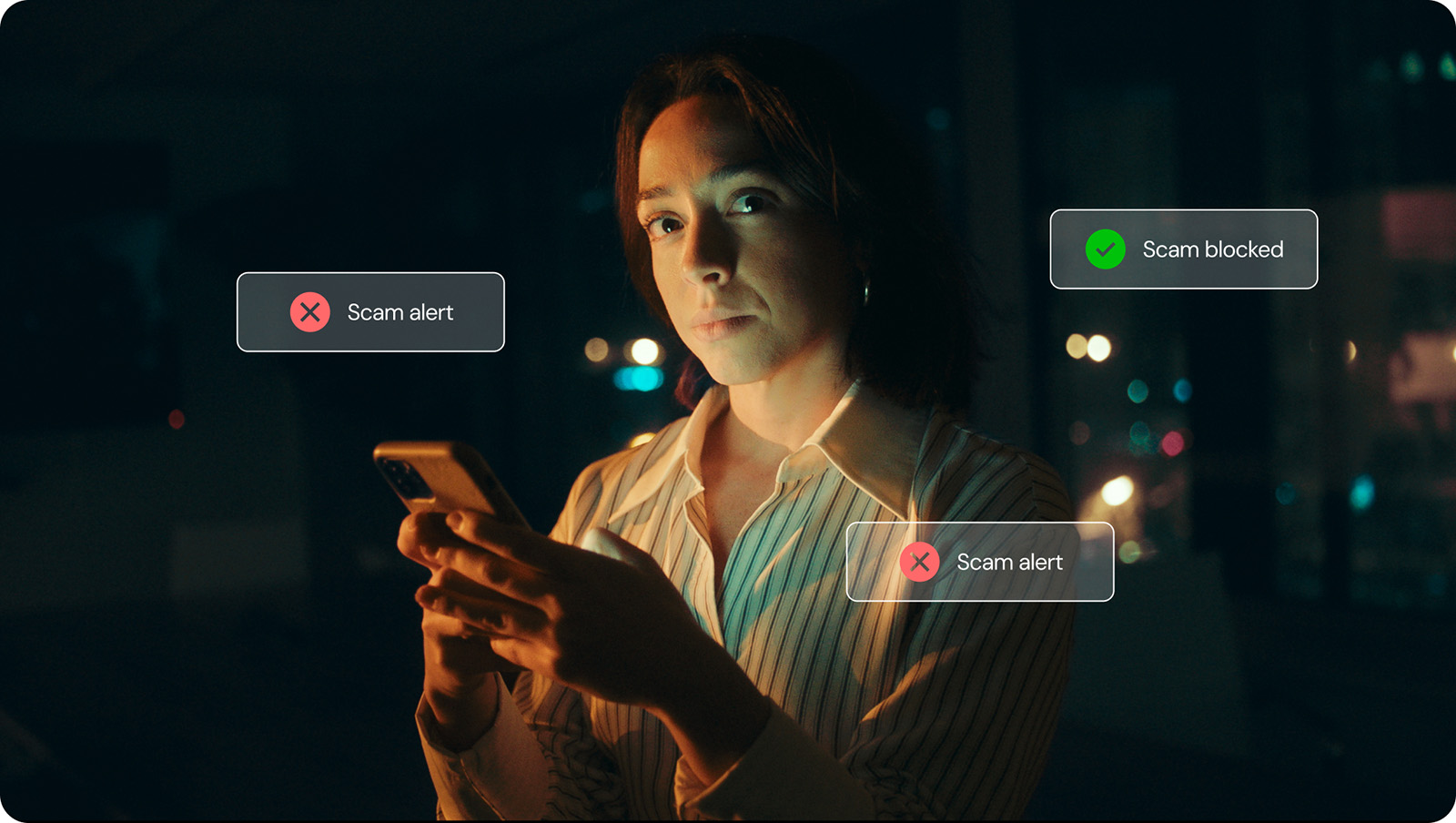
4. Emotional manipulation
Some scams prey on empathy. A fraudster might pose as a relative in urgent need of help or pretend to be a friend stranded abroad. Romance scams are particularly cruel, with criminals spending months building trust before making a desperate plea for money.
🚩 Red flag: If an online acquaintance suddenly asks for money, step back and assess the situation.
5. Fake payment requests
Scammers intercept invoices and payment details, tricking individuals and businesses into sending money to the wrong accounts. Even an email from your boss requesting an urgent payment transfer could be fake.
🚩
Red flag: Someone asking you to make a payment using new bank details or in a way that deviates from your usual process.
Common scam tactics that can catch you off guard
Criminals rely on deception, but their success depends on your reaction. Here’s how you can protect yourself:
✅ Pause before you act – Urgency is a scammer’s best weapon. Take a moment to evaluate any unexpected request.
✅ Verify independently – If a business or authority contacts you, call them back using an official number (not the one they provide).
✅ Never share personal details – Your bank will never ask for your PIN, password, or one-time security code over the phone.
✅ Stick to official channels – Whether it’s logging into your bank, checking a delivery status, or contacting customer service, always type the website address manually rather than clicking on a link in an email or message.
✅ Educate yourself – The best defence against fraud is awareness. Keep up with the latest scam tactics.
How to report fraud
If you suspect an attempted scam:
Stop all communications. Then send an email to [email protected] with details and screenshots.
If you know you have been scammed:
1. Stop all communication with the scammer.
2. Report it to FINCI at [email protected], including any screenshots or evidence.
3. Notify the police and send FINCI a copy of your police statement.
4. We will investigate as a matter of urgency and guide you on the next steps.
The threats from fraudsters and scammers are always evolving. But knowledge is power. The more aware you are of fraud tactics, the better equipped you are to spot and stop scams before they succeed.
Suspect Fraud or a Scam?
If you’ve been scammed or feel something is wrong, contact our team immediately.
Customer support available: Monday–Friday, 09:00–18:00 (Vilnius time, Lithuania).
📞 +370 691 106 93





 account